
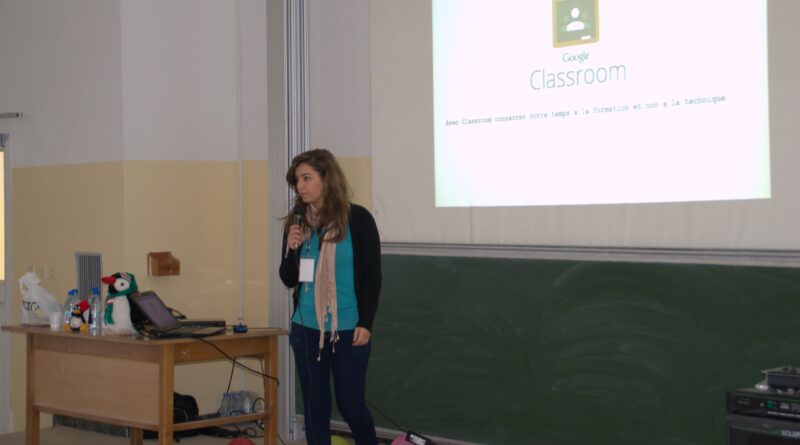
Google Classroom Gemini Podcasts: Transforming Education
The landscape of education is undergoing a seismic shift, driven by cutting-edge artificial intelligence. Consequently, Google Classroom is now at the forefront of this transformation, introducing a groundbreaking Gemini-powered tool that promises to redefine how students engage with learning materials.
This innovative feature transforms traditional lessons into dynamic, podcast-style audio experiences, offering a fresh perspective on pedagogical delivery and student interaction.
The Dawn of a New Era in Educational Engagement
For decades, educators have sought innovative methods to capture and sustain student attention. Furthermore, the digital age has presented both challenges and unprecedented opportunities in this pursuit. The introduction of Google Classroom’s Gemini-powered podcast tool marks a pivotal moment, signaling a profound evolution in educational content delivery.
This development moves beyond static textbooks and passive lectures, embracing an auditory format that is both familiar and compelling to today’s digitally native students. Ultimately, it promises to make learning more immersive and accessible than ever before.
Unpacking Google Classroom’s Gemini-Powered Innovation
At its core, this new Google Classroom functionality leverages the advanced capabilities of Google’s Gemini AI. Therefore, it can effortlessly convert standard lesson plans, notes, and instructional materials into engaging audio narratives. This process is far more sophisticated than a simple text-to-speech conversion.
Instead, Gemini intelligently structures the content, adds appropriate pacing, and even incorporates elements that mimic professional podcast production, creating a truly unique learning experience.
What is This Revolutionary Tool?
Specifically, the tool allows teachers to input their lesson content, which Gemini then processes to generate a coherent, podcast-style audio episode. This means complex topics can be broken down into digestible audio segments, complete with introductions, transitions, and summaries.
Consequently, students can listen to these lessons at their own pace, revisiting challenging sections or catching up on missed material with unparalleled ease. This flexibility significantly enhances the personalized learning journey for every student.
The Technology Behind the Transformation
Gemini, as a sophisticated generative AI model, possesses remarkable natural language understanding and generation capabilities. Moreover, it can analyze the semantic meaning of educational content, identify key concepts, and then synthesize this information into clear, articulate spoken word.
This is not merely about reading text aloud; it involves interpreting, structuring, and presenting information in a pedagogically sound and engaging audio format. Furthermore, the AI can adapt its tone and style to suit various subjects and age groups, making the output highly versatile.
Why Podcast-Style Lessons? The Pedagogical Advantages
The shift towards podcast-style lessons is not merely a technological gimmick; it is rooted in sound pedagogical principles. Audio learning offers distinct advantages that can significantly enhance comprehension, retention, and overall student engagement. Consequently, educators are keen to explore these benefits.
Enhanced Student Engagement and Accessibility
Many students are auditory learners, and traditional visual-heavy lessons may not fully cater to their needs. Furthermore, podcasts provide an alternative pathway to information, engaging students through a medium they often consume for entertainment. This familiarity lowers the barrier to entry for academic content.
Moreover, audio lessons offer unparalleled accessibility. Students with visual impairments can access content independently, while others can learn on the go – during commutes, exercise, or while performing other tasks. This flexibility transforms how and where learning can occur, breaking free from the confines of the classroom.
Deeper Comprehension and Retention
The narrative structure inherent in podcasting can make complex subjects more relatable and easier to follow. By presenting information in a story-like format, Gemini helps students connect concepts and build a more robust understanding. Consequently, this storytelling approach can significantly improve memory recall.
Furthermore, the ability to pause, rewind, and re-listen to specific segments empowers students to master difficult concepts at their own pace. This self-directed learning fosters deeper comprehension, as students actively control their learning process rather than passively receiving information.
Empowering Educators with Time-Saving Solutions
Teachers constantly face demands on their time, balancing lesson planning, instruction, and administrative tasks. This Gemini-powered tool offers a powerful solution, automating the creation of high-quality audio content. Consequently, educators can reclaim valuable hours.
Instead of spending hours recording or scripting audio, teachers can now focus on refining their curriculum, providing personalized feedback, and fostering classroom discussions. This efficiency allows them to dedicate more energy to direct student interaction and pedagogical innovation, ultimately leading to better educational outcomes.
Practical Applications and Future Implications
The potential applications of Google Classroom’s new podcast tool span across nearly every subject and grade level. Furthermore, its adaptability makes it a versatile asset in any educational setting. This innovation is not just about today; it’s a glimpse into the future of learning.
Diverse Subject Matter Adaptability
Imagine history lessons brought to life through dramatic audio narratives, or complex scientific processes explained in a clear, concise podcast format. Language learners could benefit from listening to native-speaker quality explanations and dialogues. Consequently, the tool’s versatility is one of its strongest features.
Even mathematics concepts could be reinforced through auditory explanations, guiding students through problem-solving steps. The ability to customize the content means teachers can tailor podcasts to specific learning objectives and student needs, making every lesson uniquely impactful.
Fostering Critical Listening Skills
In an age saturated with audio content, the ability to critically listen and analyze spoken information is paramount. By engaging with academic podcasts, students naturally develop these essential skills. Furthermore, they learn to discern key arguments, identify biases, and evaluate the credibility of spoken sources.
This prepares them not only for higher education but also for navigating the information-rich world beyond the classroom. Consequently, the tool serves a dual purpose: delivering content and building crucial cognitive abilities.
The Road Ahead: AI’s Expanding Role in Education
Google Classroom’s Gemini integration is just one example of how AI is poised to revolutionize education further. We can anticipate more personalized learning paths, intelligent tutoring systems, and AI-driven assessment tools in the near future. Furthermore, AI will increasingly act as a co-pilot for teachers, augmenting their capabilities rather than replacing them.
The goal is to create more dynamic, equitable, and effective learning environments for all. For insights into other emerging technologies and future trends, you might find our article Hello world! to be an interesting read, exploring the very beginning of new digital ventures.
Addressing Potential Challenges and Ethical Considerations
While the promise of AI in education is immense, it is crucial to approach its implementation with careful consideration of potential challenges. Furthermore, ethical implications must be thoroughly addressed to ensure responsible and equitable use. This foresight is vital for long-term success.
Ensuring Accuracy and Quality Control
Despite Gemini’s sophistication, AI-generated content always requires human oversight. Teachers must review the podcast episodes for factual accuracy, pedagogical appropriateness, and clarity before sharing them with students. Consequently, the teacher’s role remains central in validating content.
AI is a powerful tool to assist, not a substitute for expert human judgment. Therefore, continuous feedback loops between educators and developers will be essential to refine the tool and ensure the highest quality of educational material.
Digital Divide and Equitable Access
The benefits of such advanced tools must be accessible to all students, regardless of their socioeconomic background or geographical location. However, the digital divide, characterized by unequal access to technology and internet connectivity, remains a significant concern. Consequently, solutions must be inclusive.
Educational institutions and policymakers must work collaboratively to ensure that all students have the necessary devices and internet access to leverage these innovative learning resources. Otherwise, such advancements could inadvertently exacerbate existing inequalities, which is a critical ethical consideration.
Key Takeaways
- Google Classroom’s new tool: A Gemini-powered feature generates podcast-style audio lessons.
- Enhanced Engagement: Transforms traditional lessons into dynamic, accessible audio experiences.
- Pedagogical Benefits: Caters to auditory learners, improves comprehension, and offers flexible learning.
- Teacher Empowerment: Automates content creation, freeing up educators’ time for instruction and personalized feedback.
- Future of Education: Represents a significant step in integrating AI for more personalized and engaging learning environments.
- Critical Considerations: Requires human oversight for accuracy and efforts to ensure equitable access for all students.
Final Thoughts
Google Classroom’s Gemini-powered podcast tool stands as a testament to the transformative potential of artificial intelligence in education. Furthermore, it marks a significant leap towards creating more engaging, accessible, and personalized learning experiences for students worldwide. This innovation is not merely an upgrade; it’s a paradigm shift.
We are entering an era where technology truly augments human potential, empowering educators to reach students in new and impactful ways. Consequently, the future of learning looks more dynamic and inclusive than ever before.
Are you an educator eager to explore this groundbreaking tool? We encourage you to delve into Google Classroom’s latest features, experiment with creating your own podcast lessons, and share your experiences. Your feedback will undoubtedly shape the evolution of this exciting educational frontier. Embrace the future of teaching today!